
THANK YOU FOR SUBSCRIBING

Gov CIO Outlook Weekly Brief
Be first to read the latest tech news, Industry Leader's Insights, and CIO interviews of medium and large enterprises exclusively from Gov CIO Outlook


 Cristian Aquino, Founder and CEO
SentinelX was built to connect these steps. Its platform integrates video intelligence, incident management, dispatch and operational tracking, helping cities turn fragmented data into organized responses. Facial recognition is part of this framework, but the company’s vision goes further: connecting technology, people and services to improve public safety and how cities operate.
“Technology strengthens our ability to understand and act. Decisions remain with professionals and the competent authorities,” says Cristian Aquino, founder and CEO.
From Alert to Response
This vision operates at scale through Smart Sampa, São Paulo’s public safety program. With tens of thousands of cameras, the challenge extends beyond capturing images: information must be organized and relevant events highlighted across varying lighting, connectivity and image quality.
SentinelX brings images, location, time and the reason for an alert into one operational workflow. Facial recognition indicates potential matches against authorized databases, while license plate recognition helps locate vehicles of interest.
Responsibility at Every Step
For SentinelX, artificial intelligence and institutional responsibility must advance together. The platform supports professionals work while keeping human validation central to operational workflows.
Role-based access controls, search histories and activity records help track how information is used. Purpose, data protection, retention and sharing rules form part of each project’s requirements, according to its application and the responsibilities of the institutions involved.
This approach combines technological capability with governance. Public trust depends on both the quality of the solution and the criteria guiding its use.
Built Through Real City Operations
Operating at scale requires availability, integration, training and continuous adaptation. For Smart Sampa, SentinelX dedicated more than two years to development and implementation, delivering thousands of customizations to meet operational needs. The platform continues to evolve through feedback from operators, managers and field teams.
Aquino recognizes the program as a collective achievement and highlights Mayor Ricardo Nunes’s courage and leadership in putting a project of this magnitude into practice, alongside the professionals and institutions involved.
The company is now extending this integration model to mobility, emergencies, lighting, citizen services, sensors and operational resources. A single incident may require several agencies to share information and coordinate action within their respective responsibilities.
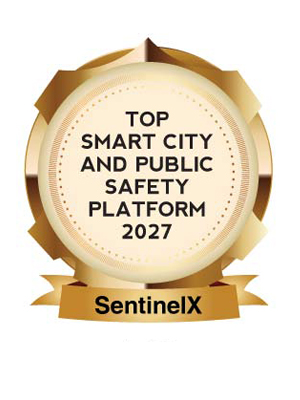
The goal is to bring this experience to other cities, including municipalities with smaller teams and more limited resources. Recognized as the Top Smart City and Public Safety Platform 2027, SentinelX reinforces its mission: developing a Brazilian technology that connects information, decisions and response to better protect and serve people.
What Do Smart City and Public Safety Platforms Help Cities Achieve?
Smart City and Public Safety Platforms connect information from surveillance systems, incident reports and response teams to help city authorities manage public safety operations. Instead of treating each alert as a separate event, these platforms bring relevant information into a shared workflow. This can help personnel assess situations, assign resources and track incidents through resolution. Their value depends on how well they connect detection with action while maintaining accountability and human oversight.
How Does SentinelX Connect Surveillance With Emergency Response?
Smart City and Public Safety Platforms can help bridge the gap between identifying a potential incident and coordinating an appropriate response. SentinelX brings video intelligence, incident management, dispatch and operational tracking into one system. Its platform carries alert details, including location, time and the reason for an alert, into the response process. Operators can review potential matches, register incidents, assign teams and track actions. This helps field personnel receive relevant context instead of relying on disconnected reports.
What Capabilities Should Cities Evaluate When Choosing a Platform?
Smart City and Public Safety Platforms should connect data, support clear incident workflows and help command centers coordinate with field teams. They should also work with existing cameras, including equipment from different manufacturers. Buyers should check how well a system performs in poor lighting, weak network conditions and low-quality images. Alert verification, dispatch tools, activity records and technical support also matter. These features help authorities manage daily operations, not just detect potential incidents.
How Can Integrated Public Safety Systems Improve Incident Management?
Smart City and Public Safety Platforms can reduce delays caused by manual handoffs between surveillance operators, dispatchers and field teams. When incident details move through a connected workflow, personnel can review the available evidence, understand the situation and coordinate the next steps. Tracking actions and outcomes also helps administrators review how incidents were handled. Effective integration does not eliminate the need for professional judgment. Instead, it gives authorized personnel better access to relevant information when making operational decisions.
How Does SentinelX Support Responsible Use of Artificial Intelligence?
Smart City and Public Safety Platforms must balance analytical capabilities with privacy, oversight and institutional responsibility. SentinelX uses facial recognition and license plate recognition to identify potential matches against authorized records. Its Zeus visual search capability also allows searches using descriptive details, such as a vehicle's appearance or a missing person's clothing, within a defined time and area. Human review remains central to decisions. Role-based access controls, search histories and activity records also help institutions monitor how information is accessed and used.
Why Are Governance and Scalability Important for Smart City Technology?
Smart City and Public Safety Platforms need governance measures that reflect each institution's responsibilities, data protection requirements and operational procedures. Access permissions, information retention, audit trails and rules for sharing data should be established before deployment. Scalability matters too, as cities may need to connect additional cameras, departments, sensors and public services over time. A platform should accommodate changing operational needs without weakening oversight. Training, maintenance and continued adaptation also influence whether technology remains useful as city operations evolve.
Company
SentinelX
Management
Cristian Aquino, Founder and CEO
Description
SentinelX develops Brazilian technology for smart cities and public safety. Its platform connects video intelligence, incident management, dispatch and field teams, supporting human decisions and coordinated responses with governance and traceability.


