

THANK YOU FOR SUBSCRIBING

Gov CIO Outlook Weekly Brief
Be first to read the latest tech news, Industry Leader's Insights, and CIO interviews of medium and large enterprises exclusively from Gov CIO Outlook
A featured contribution from Leadership Perspectives: a curated forum reserved for leaders nominated by our subscribers and vetted by the Gov CIO Outlook Advisory Board.

Listening to Communities before Planning for Growth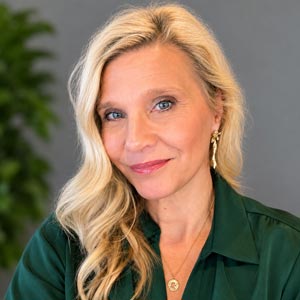
Suzanne Holland
I think it starts with listening and understanding that every community is different. Riverside County is made up of 28 cities and five distinct regions, each with its own identity, strengths, priorities and opportunities. There is so much diversity across the County, and what works for one area may not necessarily work for another. That's why it's important to understand each community's unique needs and build economic development strategies that reflect those differences.
A good example is our 2026 to 2030 economic development strategic plan. Developing that plan involved extensive stakeholder engagement, including 18 meetings across different regions of the County and input from approximately 125 stakeholders. We wanted to hear directly from our cities, businesses and regional partners about their priorities, challenges and opportunities. That input helped shape the final plan and ensure it reflects the needs of our communities, rather than taking a one-size-fits-all approach.
For me, economic development isn't just about bringing in new businesses. It's about creating high-value jobs, supporting existing businesses, diversifying our economy and making sure we're building something that benefits our communities for years to come. Our strategic plan gives us a roadmap to do that, while allowing us to focus on the unique opportunities in different parts of the County.
Putting Riverside County on the Global Investment Map
I think it comes down to understanding what businesses are looking for and showing them why Riverside County is the right place to invest. Our economic development strategic plan serves as an action-oriented roadmap, identifying priority sectors where we can focus our resources, strengthen partnerships and drive business attraction and expansion. These include advanced manufacturing, agtech, biotech, creative media and digital production, cybersecurity, clean energy, hospitality and tourism, and transportation and logistics. We’re building on the industries and business strengths already established in Riverside County while positioning the County to capture new opportunities in emerging sectors. Through targeted business outreach, investment promotion, workforce partnerships and industry-specific initiatives, we’re working to grow these sectors, attract new investment and create more high-value jobs throughout the County.
We also recognize that business attraction isn't limited to our region. We actively engage with companies internationally and look for opportunities to put Riverside County on the map as a place to do business. For example, participating in SelectUSA and international trade missions like SEMICON Taiwan allows us to connect directly with companies looking to expand in the United States and showcase what our County has to offer.
But attracting businesses is only part of the equation. We also work to connect companies with available sites, workforce resources, incentives and local partners who can help them navigate the process of establishing or expanding here. And just as importantly, we focus on helping our existing businesses grow.
Using Data to Uncover Hidden Economic Potential
Data is incredibly important because it helps us make informed decisions rather than relying on assumptions. It also helps us tell our economic story and show businesses why Riverside County is a great place to invest.
California is the fourth-largest economy in the world, and Riverside County is an important part of that success. Our county's economy generates nearly $135 billion annually, with a GDP larger than that of 13 U.S. states. Those numbers help demonstrate the scale of our economy and the opportunities available here.
“Some of the most meaningful progress comes from connecting people, building trust, solving problems and following through on commitments.”
We look at a range of data, including population growth, workforce trends, industry sectors, commute patterns, real estate availability and business activity, to better understand where opportunities exist and what our communities need.
We use tools like GIS mapping, our site-selection resources and demographic dashboards to help site selectors and businesses evaluate potential locations and make informed investment decisions.
I also think it's important to look beyond countywide numbers. Riverside County is a large and diverse region and the needs and opportunities in one community can be very different from another. The more we understand those differences, the better we can target our resources and identify opportunities for growth.
Making Business Growth Work for Everyone
I think one of the biggest challenges is making sure growth works for the community, not just for the business.
Businesses need land, infrastructure, a reliable workforce and a process that allows them to move forward. At the same time, residents want to make sure growth improves their quality of life and doesn't put additional strain on roads, utilities, housing or other resources.
Those priorities don't always line up easily, and in a county as diverse as Riverside County, the challenges can look very different depending on the community.
I think the key is communication and collaboration. Economic development doesn't happen in a vacuum. We have to work with planning departments, infrastructure providers, local jurisdictions, businesses and community stakeholders to understand the challenges and find solutions.
If we can bring the right people to the table early and focus on shared goals, we have a much better chance of finding outcomes that benefit both businesses and the communities they serve.
Why Relationships Drive Economic Development
My biggest advice would be to build relationships and be willing to learn.
Economic development touches so many different areas. In fact, almost everything is economic development, from business and real estate to workforce development, infrastructure, marketing and public policy. You don’t have to know everything when you start and honestly, we’re always learning. What matters is being curious, staying open to new ideas and understanding how all the different pieces of economic development fit together.
Relationships really matter. Some of the most meaningful progress comes from connecting people, building trust, solving problems and following through on your commitments.
A lot of economic development work takes time. You may spend months or even years building a relationship or working on a project before you see the results. You have to stay focused on the bigger picture.
