

THANK YOU FOR SUBSCRIBING

Gov CIO Outlook Weekly Brief
Be first to read the latest tech news, Industry Leader's Insights, and CIO interviews of medium and large enterprises exclusively from Gov CIO Outlook
A featured contribution from Leadership Perspectives: a curated forum reserved for leaders nominated by our subscribers and vetted by the Gov CIO Outlook Advisory Board.

Risk Assessment and Hazard Mitigation for Potential Emergencies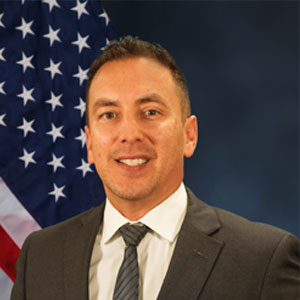
Joseph Ramos
When approaching risk assessment and hazard mitigation, I begin with the hazard itself. Once we understand what we are preparing for, I ask my team three questions: What can happen? What will be affected? And what can we do about it?
These questions move us beyond identifying hazards and toward understanding their potential consequences and the actions we can take before an emergency to reduce the impact.
I consider “What will be affected?” the most critical part of the assessment. Our first responsibility is to understand how an emergency could affect residents’ lives and safety, particularly vulnerable populations and those who may have greater difficulty evacuating, accessing resources, or recovering.
We then examine potential effects on neighborhoods, businesses, critical infrastructure and the services and systems people depend on every day. We must also consider environmental impacts and the natural resources that support the community. This approach helps us understand that the same hazard can have very different consequences depending on where it occurs and what lies in its path.
Effective mitigation requires us to identify who and what is at risk, establish priorities and take practical action before an emergency occurs. The goal is not simply to prepare for a hazard, but to protect lives, reduce property damage, preserve the environment and build a more resilient community.
Community Outreach and Public Communication in Emergency Preparedness
The driving force behind every emergency manager and public servant should be the people we serve. Outreach and communication help residents prepare, but neither can succeed without trust. Even the best preparedness message will have limited impact if the community does not trust its source. For me, outreach is about more than distributing information; it is about building relationships before people need us.
That requires immersing ourselves in the community rather than expecting residents to come to us. We must visit neighborhoods, attend community events, listen to residents, understand their concerns and adjust our approach based on what we learn. Every community is different, and a strategy that succeeds in one neighborhood may not work in another.
We must recognize that government is not always the community’s most trusted voice. We can strengthen our reach by working with the community and organizations that residents already know and rely on, such as family members, neighbors, faith and community leaders, schools, businesses and community-based organizations. These relationships allow preparedness information to travel through existing networks rather than relying solely on government channels.
Ultimately, effective public communication is built long before the emergency occurs. When we invest in relationships, listen to the community, show up consistently and earn people's trust, we create something much more valuable than a communication network. We create a community that is more willing to listen, participate and prepare together.
The Road to Effective Emergency and Crisis Management
My more than 20 years in local government have taught me that effective emergency and crisis management begins long before an emergency occurs. It is built through relationships, trust, collaboration and a clear understanding of the community being served.
"The driving force behind every emergency manager and public servant should be the people we serve. That requires immersing ourselves in the community rather than expecting residents to come to us."
I spent 13 years with the Town of Apple Valley, where I learned to serve a smaller community with distinct concerns and limited financial resources. Ten of those years were in recreation, which provided an unexpected but valuable foundation for emergency management. Recreation professionals routinely work nontraditional hours, coordinate staff, volunteers, facilities and partners, manage large public events and respond quickly when plans change. That experience strengthened my flexibility, resourcefulness and ability to remain calm while addressing competing needs for many different people and interests.
Apple Valley also taught me that limited resources do not have to limit results. When funding and resources are constrained, success depends on creativity, partnerships and a willingness to work beyond traditional roles. I learned to recognize existing strengths, unite people around a shared objective and develop practical solutions with available resources.
My remaining years with the Rancho Cucamonga Fire District and the Ontario Fire Department broadened my perspective. Each organization and community has different priorities, demands, capabilities, vulnerabilities and expectations. Those experiences reinforced that emergency management cannot take a one-size-fits-all approach. Plans must reflect the people and culture of the community they serve.
Across all three organizations, the most consistent lesson has been the importance of connections. During a crisis, there is rarely time to begin building relationships or determine how agencies will work together. Those connections are high functioning when they already exist.
Ultimately, my experience has shaped an approach that is people-centered, collaborative, adaptable and grounded in service. My role as a leader is to build trust, create connections, make the best use of available resources and help people understand how their individual contributions support the community’s collective resilience.
Whether serving a small town or a larger and more complex city, the goal remains the same: prepare people to work together effectively before, during, and after a crisis.
Strengthening Leadership, Collaboration and Preparedness
Emergency managers can strengthen leadership, collaboration and preparedness by investing in themselves and in their community and relationships before a crisis occurs.
I recognize that accepted practices vary among jurisdictions for a variety of reasons. No single approach works equally well everywhere. I have learned to develop regional relationships before they are needed as emergencies rarely respect jurisdictional boundaries, and no agency has unlimited personnel, equipment, or expertise. Established partnerships help neighboring jurisdictions coordinate, share resources and operate with a common understanding during a crisis.
Finally, I have learned that strong leadership requires a willingness to be vulnerable. Emergency managers must be comfortable acknowledging when they do not have all the answers, listening to perspectives that may challenge their assumptions and accepting that established plans and practices may need to change.
Openness does not diminish a leader’s credibility. It actually demonstrates self-awareness and creates an environment where others feel respected and comfortable contributing their ideas. It also means taking accountability when decisions fall short, learning from those experiences, and following through on needed improvements.
Together, these practices build trust, encourage continuous improvement and create a stronger foundation for coordinated action, informed decision-making and community resilience.
