
THANK YOU FOR SUBSCRIBING

Gov CIO Outlook Weekly Brief
Be first to read the latest tech news, Industry Leader's Insights, and CIO interviews of medium and large enterprises exclusively from Gov CIO Outlook
A featured contribution from Leadership Perspectives: a curated forum reserved for leaders nominated by our subscribers and vetted by the Gov CIO Outlook Advisory Board.

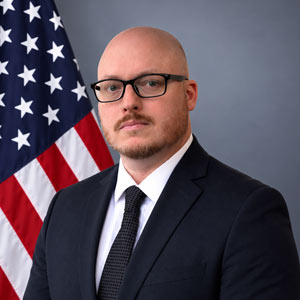
Dan Wyskochil is the Assistant Director of Information Technology for the Village of Schaumburg, Illinois, where he helps lead all divisions of a department with 25-plus technical staff and a 5.9 million dollar operating and capital budget, supporting 600 users across more than ten facilities. Those facilities include police, fire, public works, a performing arts center and a professional baseball stadium.
Over nearly 20 years in IT and financial services, he has worked as a business analyst, business process analyst, technical project manager and IT manager, which gives him a working knowledge of how requirements, process and delivery connect. Since joining Schaumburg in 2016, he has led the Village’s move from paper-based processes to digital services, reformed how IT manages projects and set documentation standards across the department.
Preparing for a Generational Handoff
Municipal IT is in the middle of a generational handoff. Much of the institutional knowledge in local government sits with staff who are nearing or have passed retirement age, while the incoming ranks are not large enough to replace them one-for-one. At the same time, millennials are demonstrating their readiness to lead. It is our duty as leaders, some of us millennials ourselves, to champion them with purpose and direction so that service gaps are filled by capable people who already understand our organizations.
When a long-tenured employee retires without an apparent successor, what walks out the door goes beyond the job description or daily duties. It includes relationships, workarounds and the reasons certain systems were configured the way they were over the years. Backfilling positions with outside hires or contract consultants can go a long way toward covering technical responsibilities, but those solutions often lack the context behind the operational efforts they are supporting.
Developing internal talent is the most reliable way to protect continuity of service for residents, and the millennial workforce is well-suited to the task. Elder millennials entered the workforce as the technical shifts of the early 2000s were already underway. Even those from the latter half of the generation remember how work was done before smartphones, instant connectivity and cloud platforms became the norm. These perspectives can help them lead technical and process modernization among staff who may be skeptical of or less comfortable with new technology. The same applies to senior leadership and elected officials, where the use, understanding and adoption of technology can vary widely.
Bridging Generations through Leadership
An often-overlooked opportunity is the role millennial leaders can play in mentoring younger employees who have never known a workplace without modern technology. Gen Z staff will continue to bring fluency with new tools, but they can also benefit from understanding why legacy processes exist, where the risks lie and how to move change through a public organization.
Millennials are positioned to connect these two worlds and become bridges for adopting new systems, methodologies and ideas, regardless of title or rank within the organization. Their experience allows them to understand both the institutional context behind established processes and the technological expectations of a newer generation.
"Developing internal talent is the most reliable way to protect continuity of service for residents, and the millennial workforce is well-suited to the task."
Senior IT leadership has a responsibility to do more than tolerate or facilitate this shift in leadership approach as millennials move into leadership roles. The habits often associated with millennial employees, including a preference for frequent, quick conversations, documented and explained processes, flexibility, work-life balance and results-based evaluations, align with many of the practices needed to run a modern municipal IT organization effectively.
Retaining Talent through Opportunity
Retention of staff with demonstrated potential is key. While most municipalities cannot always match private-sector compensation for top talent, the public sector offers other forms of value. Mission, stability, community impact and overall quality of life create a combination that is uncommon outside public service. This may resonate particularly with mid-career millennials balancing family and financial obligations.
However, these advantages only work when they are paired with flexibility and a visible path to advancement. A stalled career in a stable job can push talented employees out, often toward a neighboring municipality or vendor that is willing to pay for the knowledge and experience they have developed in their current roles.
Turning Potential into Leadership
Championing millennial staff requires intent and consistency from leadership. One way to develop emerging leaders is to give them genuine authority through stretch assignments that include actual decision-making responsibility. Leading a system implementation, evaluating a vendor or taking responsibility for a governance effort can provide meaningful experience that prepares employees for future leadership roles.
Mentorship can also create value in both directions when senior staff are paired with emerging leaders. Institutional knowledge moves forward, while new approaches move upward, when both participants recognize the value they bring to the relationship. At the same time, organizations need to make advancement paths visible and ensure supervisors hold regular development conversations rather than limiting those discussions to annual talent reviews.
Flexibility should also remain part of the retention strategy. Hybrid and flexible schedules are better viewed as benefits that support retention rather than as perks. Emerging leaders should also be included in decision-making processes, including budget discussions, strategic planning and technology roadmap development. These opportunities allow them to experience leadership dynamics directly and understand how organizational decisions are made.
Creating a Stronger Succession Pipeline
Those of us who are millennials and already in leadership roles have a particularly important opportunity. We understand these workplace habits firsthand and can speak credibly about their value with executive leadership and elected officials in trusted discussions. We have also experienced the effort required to earn a seat at the table, giving us an opportunity to shorten that path for those coming behind us.
Organizations that act now can have their next generation of leaders ready for succession when the time arrives. Those who wait may find themselves recruiting from outside while their strongest mid-career employees take their experience elsewhere.
