
THANK YOU FOR SUBSCRIBING

Gov CIO Outlook Weekly Brief
Be first to read the latest tech news, Industry Leader's Insights, and CIO interviews of medium and large enterprises exclusively from Gov CIO Outlook
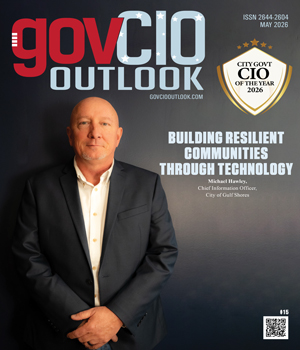
Michael Hawley serves as Chief Information Officer for the City of Gulf Shores, where he leads the technology infrastructure that powers essential municipal services, including public safety, finance, and resident-facing platforms. His leadership reflects a practical, people-centered philosophy focused on operational resilience, disciplined cybersecurity, and thoughtful modernization aligned with the city’s long-term direction. Recognized for his collaborative leadership style, Hawley partners across departments and credits a dedicated IT team for sustaining secure, high-performing public services every day. Leadership at the Intersection of Culture and Technology When I first stepped into the role of Chief Information Officer for the City of Gulf Shores, I did not walk into a void of technical failures. The systems in place functioned, the networks were running, and the servers were online. Yet the fragility I faced was more subtle and more complex; it was cultural. Technology is only as effective as the people who use it, and the city’s organizational mindset around IT was fragmented. Departments operated in silos, often unaware of what others were doing, and the understanding of how technology could support not just day-to-day operations but long-term strategic resilience was minimal. My first priority was to address this fragile culture, build trust across leadership and staff, and create a shared understanding that technology is not just a back-office tool but an enabler of public service and community well-being. From day one, I adopted a people-first perspective. Technology decisions cannot be divorced from the individuals and teams who will operate and sustain the systems. I made it my mission to know my team, their strengths, areas for development, and even the small human details that matter, such as celebrating birthdays, recognizing milestones, and understanding family commitments. These actions may seem trivial in a municipal IT conte
Emergency Management

Chris Currie, Director, Emergency Management and National Preparedness Issues, U.S. Government Accountability Office
E-Governance

Peter Crary, Deputy Director of Technology Services, Texas Association of Counties
E-Governance

Danny Vera, Director of Information Technology, City of Edinburg
E-Governance

Vina Morris, Head of IT and Security Department, Vera Institute of Justice
Emergency Management

Ericka Huston, Emergency Manager, City of Chandler, Arizona
Civic Engagement

Danielle Cohen Lima, Economic Development Director, City of Sunrise
Civic Engagement

Jennifer Gomez, MPA, Exec. Director of Economic Development & Redevelopment, City of Tulare
Homeland Security

Kent E, Director of Communication & Information Systems, Dona Ana County
Emergency Management

Brian Kahn, Homeland Security and Emergency Preparedness Director, City of Livonia

Emergency Management
Walter Amedee, Emergency Manager, City of National City

Benefits administration contributes to improved employee experiences, facilitates streamlined processes, and enhances overall operational efficiency.
City CIOs use digital platforms to improve access, streamline services, enhance efficiency, ensure security and address inclusion and legacy system challenges.
Strengthening Municipal Outcomes
Michael Hawley, Chief Information Officer at the City of Gulf Shores, recognized as the City Govt CIO of the Year 2026, leads with a people-centered approach that positions technology as an enabler of public service. His leadership focuses on breaking down departmental silos, embedding cybersecurity as a shared responsibility and implementing phased modernization strategies that protect service continuity. By aligning every technology investment with operational value and measurable impact, he has strengthened service reliability across public safety, finance and citizen-facing systems.
Economic development leadership further reinforces this operational model. Jennifer Gomez, MPA, Exec. Director of Economic Development & Redevelopment, City of Tulare, emphasizes structured redevelopment driven by zoning discipline, financial incentive programs and incremental investments that restore downtown vitality while generating sustainable revenue streams. Danielle Cohen Lima, Economic Development Director, City of Sunrise, advances growth through public–private partnerships, quality-of-place investments and adaptive planning strategies that align business attraction with long-term community priorities and workforce needs.
From a leadership perspective, these contributors highlight a consistent principle: municipal success depends on aligning technology, policy and economic strategy with practical execution. Cybersecurity resilience, collaborative planning and incremental progress emerge as core drivers of sustainable outcomes.
The underlying theme is clear: effective city governance is built on disciplined execution, stakeholder alignment and long-term value creation. We invite our readers to explore this edition and engage with the leadership models shaping the future of municipal innovation.